Learn Bingo by Playing: The Best Way to Understand the Rules

Learn Bingo by Playing: The Best Way to Understand the Rules
Bingo is one of America’s favorite games – simple, social, and full of excitement. Whether you’re playing at a local community center, a church fundraiser, or online from your couch, bingo brings people together in a way few games can. And while the rules are easy to read, the best way to truly understand them is to play. Once you’ve got your card in front of you and the numbers start rolling, everything clicks into place.
What Is Bingo – In a Nutshell
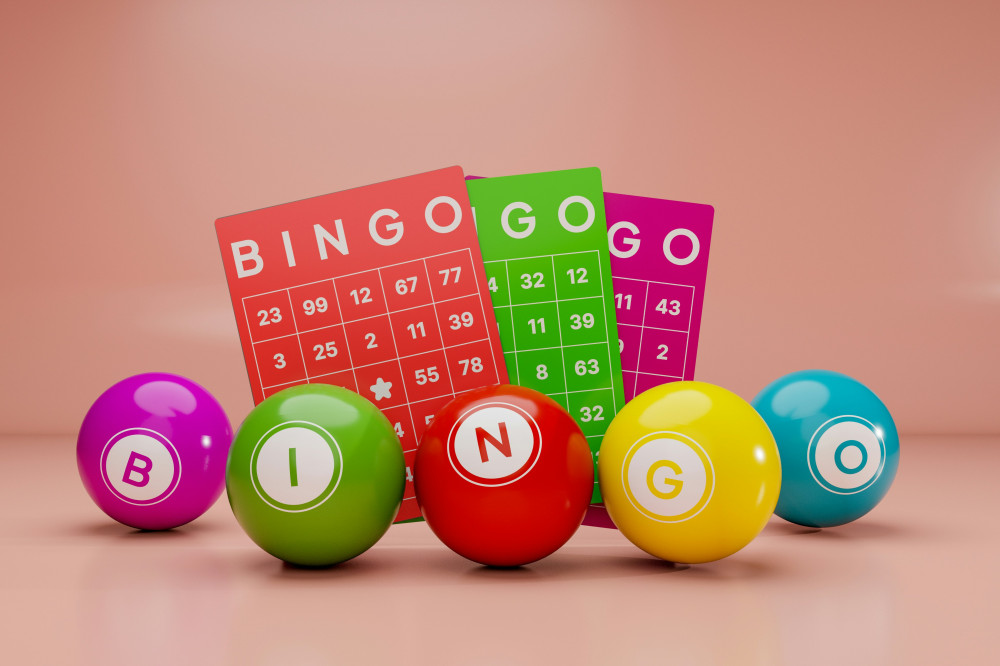
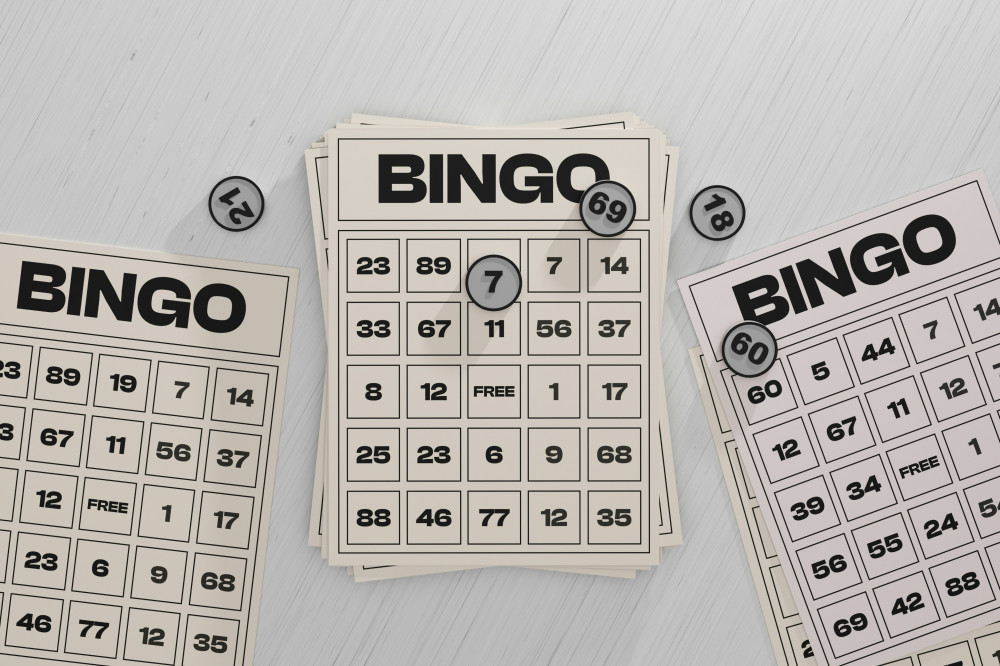
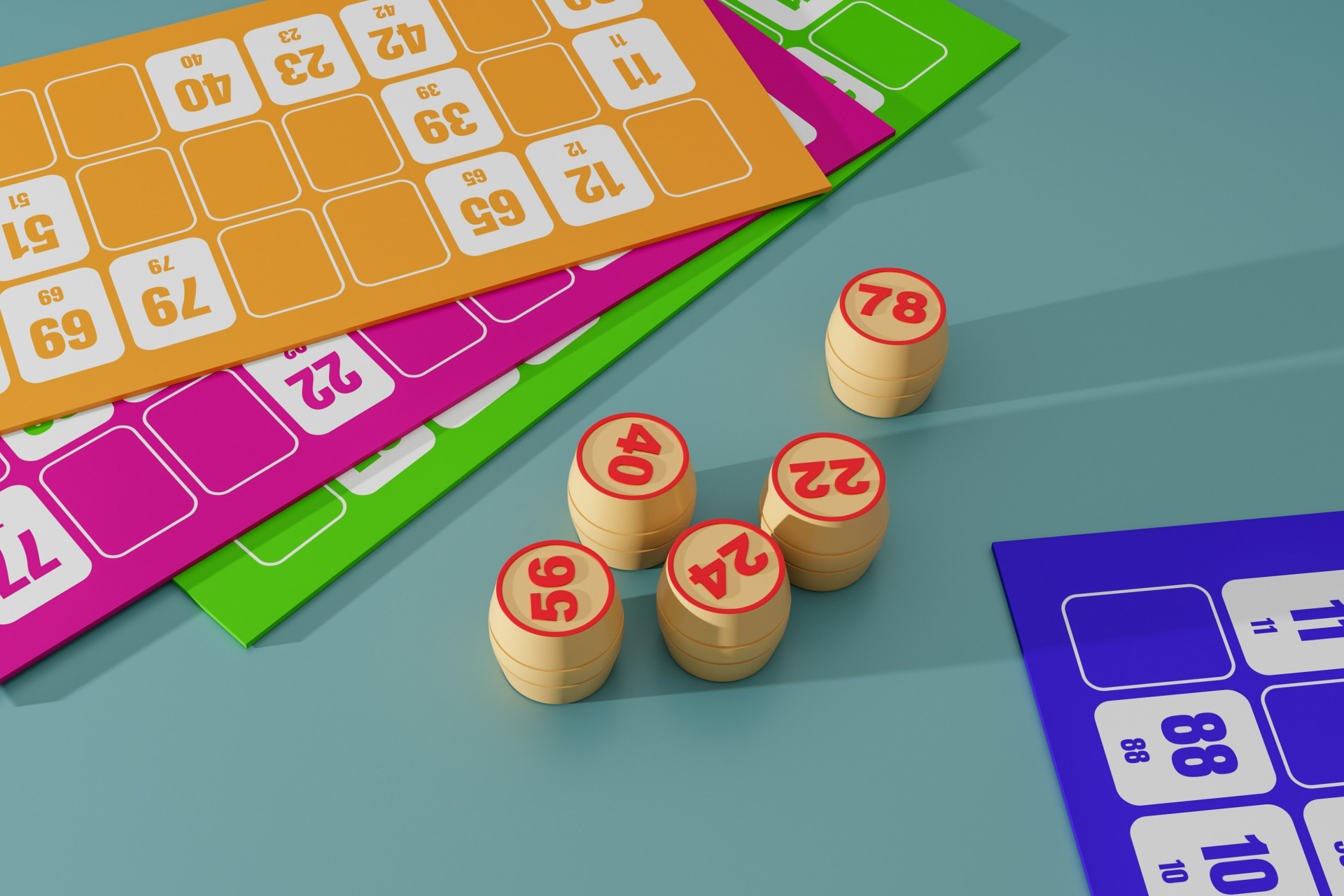
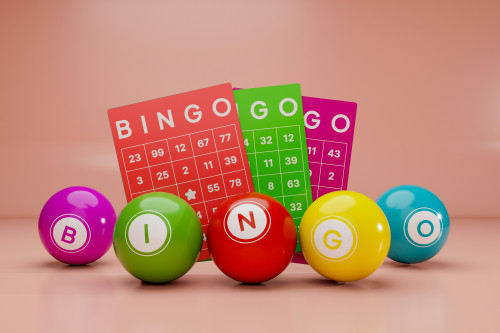
At its core, bingo is about matching numbers on your card to those called out by a host or displayed on a screen. Each player has a card filled with random numbers. When a number is called, you mark it. The first person to complete a specific pattern—often a straight line, four corners, or a full card—calls out “Bingo!” and wins.
There are many versions of the game, but the idea stays the same: a mix of luck, focus, and a touch of strategy.
Learn by Doing – Why Practice Beats Theory
You can read the rulebook all day, but bingo is a game that makes sense once you start playing. When you join a game, you quickly learn:
- How fast the game moves. The pace can surprise you, and staying alert is key.
- How to mark numbers efficiently. Whether you’re using a dauber in a hall or clicking on a digital card, you’ll find your rhythm.
- How to read your card. After a few rounds, you’ll start spotting patterns and anticipating where your next mark might land.
- How the atmosphere shapes the experience. Bingo isn’t just about numbers—it’s about energy, laughter, and community.
By playing, you don’t just memorize the rules—you absorb the flow and spirit of the game.
Start Simple – Then Explore Variations
If you’re new, begin with basic games. Many community centers, senior clubs, and online platforms offer beginner-friendly sessions where the pace is slower and the host explains as you go.
Once you’re comfortable, try different versions:
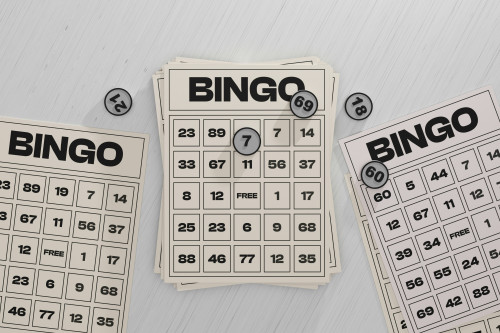
- 75-ball bingo, the classic American format with a 5x5 card and a free space in the center.
- 90-ball bingo, popular in the UK and increasingly found online.
- Pattern bingo, where you win by completing shapes like letters, crosses, or even themed designs.
Exploring different types helps you understand how the rules can vary—and which version you enjoy most.
Læs også:


The Social Side of Bingo
A big part of bingo’s charm is the people you meet. In a bingo hall, the atmosphere is lively—filled with chatter, friendly competition, and shared excitement. Online, chat rooms let you connect with players from across the country, creating a sense of community even from home.
Playing with others also helps you learn faster. Experienced players often share tips, and you’ll quickly see that bingo is as much about connection as it is about winning.
Handy Tips for Beginners
While bingo is mostly a game of chance, a few habits can make your experience smoother:
- Stay focused. It’s easy to miss a number if you’re distracted.
- Start with one or two cards. It’s tempting to play several, but fewer cards help you keep up until you’re confident.
- Listen to the caller. Every host has their own rhythm—following it helps you stay in sync.
- Enjoy the moment. Bingo is best when you treat it as fun, not just competition.
Learning Through Community
Learning bingo by playing isn’t just about mastering the rules—it’s about joining a tradition. You’ll pick up the unspoken etiquette: how to call a win, how to celebrate, and how to respect other players’ space and focus.
That mix of play, people, and excitement is what makes bingo special—and why the best way to learn it is to dive right in.
Ready to Play?
If you really want to understand bingo, don’t just read about it—experience it. Find a local game night, join an online room, or gather friends for a casual round. After a few games, you’ll know the rules by heart and feel part of a pastime that has brought Americans together for generations.
Læs også: