Roulette Through History – The Game That Survived Bans and Crises in the 20th Century

Roulette Through History – The Game That Survived Bans and Crises in the 20th Century
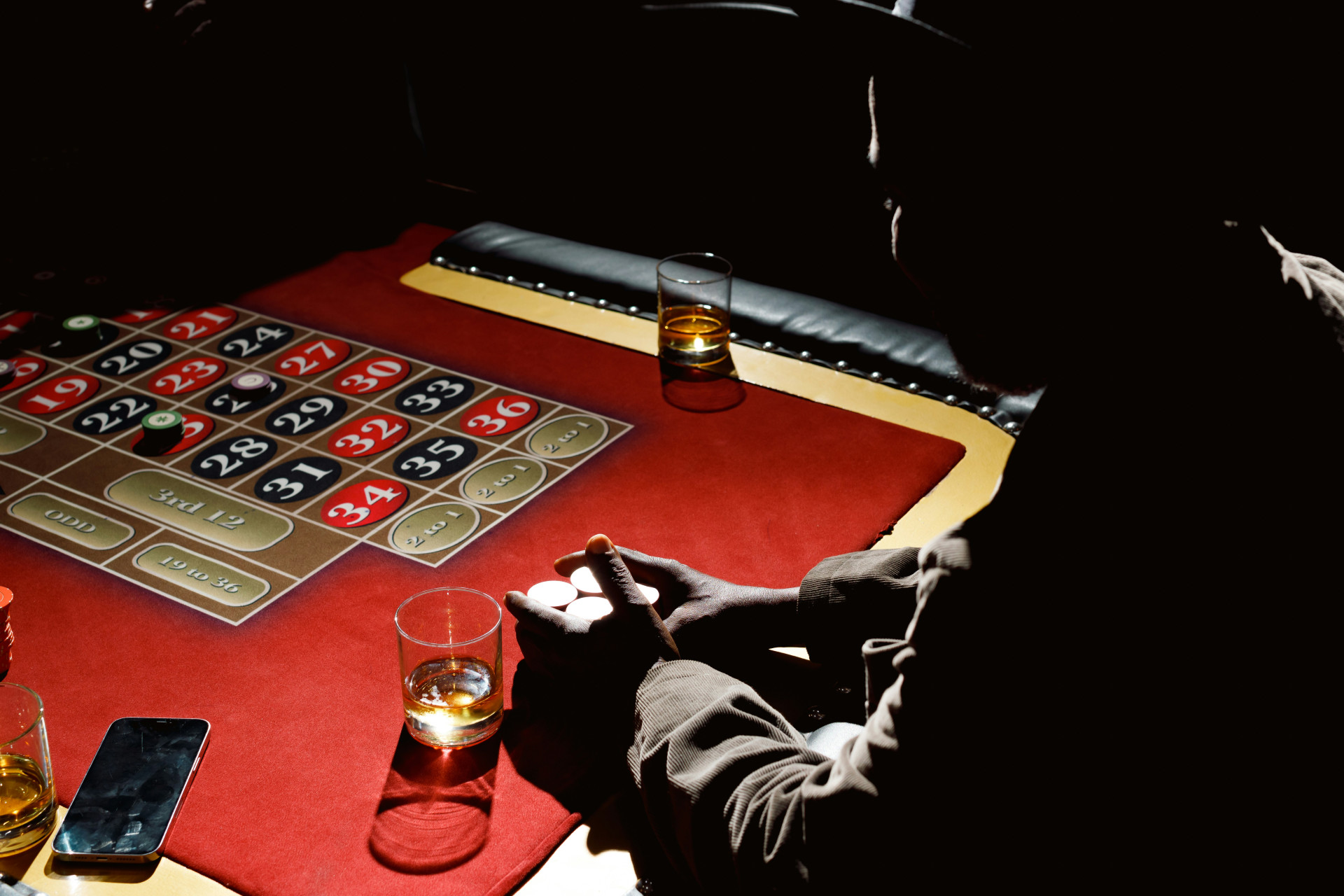
Roulette is one of the most iconic games in the world of casinos – a symbol of elegance, risk, and pure chance. Yet behind the spinning wheel lies a dramatic story of bans, economic turmoil, and cultural transformation. Throughout the 20th century, roulette faced political restrictions, moral crusades, and global crises, but the game endured – adapting to new times and new audiences.
From Aristocratic Pastime to Popular Entertainment
Roulette was born in 18th-century France and quickly became a favorite pastime among the European elite. By the 19th century, it had spread to glamorous casinos across the continent, especially in Monte Carlo, where the roulette wheel became a symbol of luxury and decadence. But as the 20th century began, the world changed. World War I, economic depression, and shifting moral values challenged the place of gambling in society.
In many countries, casinos were shut down, and roulette disappeared from public life. Still, the game survived in private clubs, hotel lounges, and secret rooms where the wealthy continued to chase the thrill of the spinning wheel.
Læs også:
Bans and Reinvention Between the Wars
During the 1920s and 1930s, roulette was banned in several European nations as part of broader anti-gambling movements. Yet the bans often had the opposite effect: the game simply moved elsewhere. Monte Carlo, nestled in the tiny principality of Monaco, became a haven for gamblers from across Europe. There, the glamour of roulette lived on while much of the continent struggled with economic uncertainty.
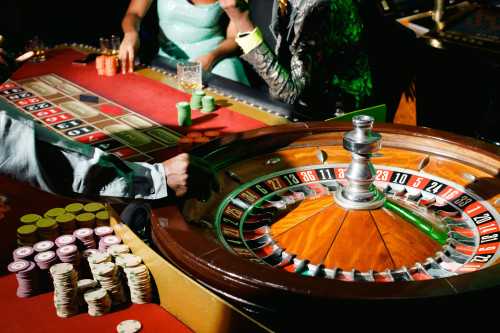
At the same time, roulette began to cross the Atlantic. In the United States, the game found new life in the emerging gambling hubs of the early 20th century. By the 1940s and 1950s, Las Vegas had transformed from a desert outpost into the world’s new capital of entertainment. American roulette, with its distinctive double-zero wheel, became the standard in U.S. casinos – faster, flashier, and with higher stakes than its European cousin.
Roulette in Times of War and Recovery
World War II brought another pause to the game’s public life. Many casinos closed, and gambling was restricted in wartime economies. But when peace returned, roulette experienced a renaissance. In the postwar years of rebuilding and optimism, casinos once again became symbols of freedom, leisure, and prosperity. In the 1950s and 1960s, roulette flourished on both sides of the Atlantic, becoming a fixture of popular culture – featured in films, novels, and the glamorous imagery of the jet set.
Even during the economic downturns of the 1970s and 1980s, roulette retained its allure. For many, the game represented a glimmer of hope – the dream of a sudden win in uncertain times, and the timeless human fascination with luck and fate.
From Casino Floor to Computer Screen
By the end of the 20th century, roulette faced a new kind of challenge: the digital revolution. The rise of the internet in the 1990s brought the first online casinos, and many wondered whether the physical roulette wheel would lose its magic when translated to a screen. But the opposite happened. The game found a new generation of players who could experience the excitement from home. With live dealers, high-quality graphics, and real-time streaming, online roulette recreated the atmosphere of Monte Carlo or Las Vegas with just a click.
Roulette didn’t just survive bans and crises – it evolved. From mechanical wheels to digital platforms and mobile apps, the game has preserved its essence: the hypnotic tension of the spinning ball and the moment of truth when it lands.
A Game That Reflects Its Time
Roulette is more than a game; it’s a mirror of the societies that have embraced it. In times of prosperity, it has symbolized luxury and excess. In times of hardship, it has represented hope and the dream of change. Its survival through the 20th century proves that the fascination with chance and risk is universal and enduring.
Even today, as technology reshapes how we play, roulette remains one of the most beloved and recognizable games in the world. It is a game that has survived everything – and still keeps spinning.
Læs også: