Symbols and Culture in Casino Games: What Do They Reveal About the Gaming Experience?


Symbols and Culture in Casino Games: What Do They Reveal About the Gaming Experience?
When you open an online casino game, you’re greeted by a colorful world filled with symbols: fruits, bells, diamonds, gods, animals, or mysterious runes. These images aren’t random. They’re carefully chosen to evoke emotion, spark recognition, and tell a story. Behind every icon lies a piece of cultural history—and a clue to why gaming continues to captivate us.
From Slot Machines to Digital Storytelling
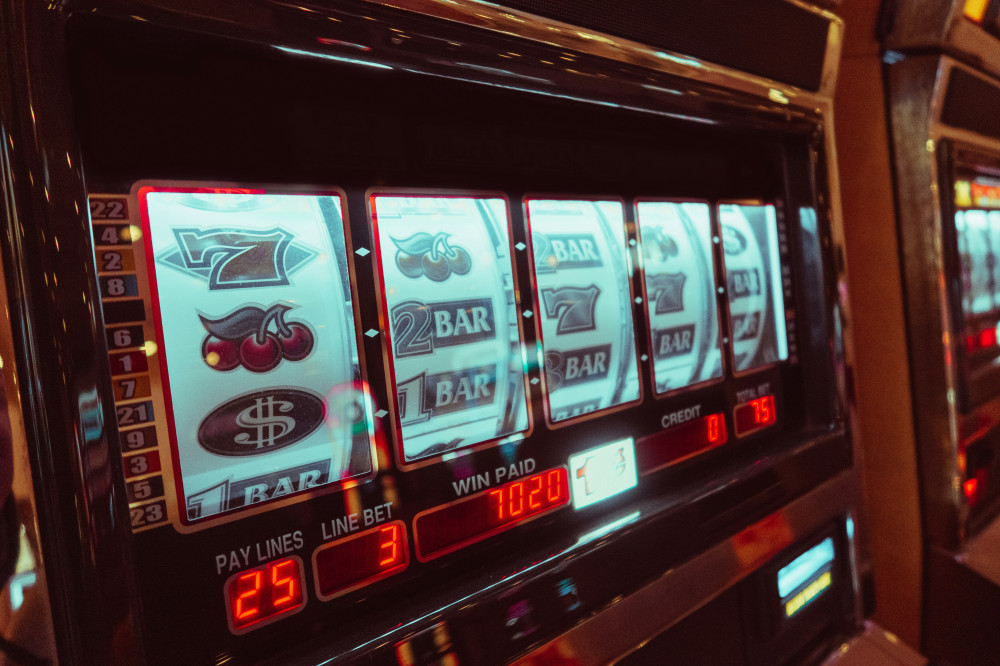
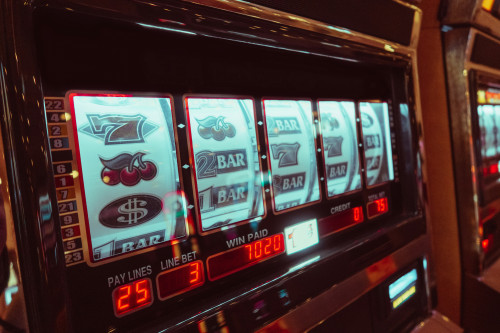
The first slot machines, which appeared in the late 19th century, featured simple symbols like cherries, lemons, and BAR signs. These images quickly became part of popular culture, representing luck, abundance, and entertainment. Today, the symbols have evolved far beyond fruit and numbers. Modern casino games draw inspiration from everything from ancient Egypt and Norse mythology to Hollywood blockbusters and futuristic worlds.
This evolution reflects how the gaming industry has shifted from mechanical amusement to digital storytelling. Players are no longer just chasing a jackpot—they’re seeking atmosphere, identity, and immersion. Symbols serve as cultural markers that make a game recognizable and emotionally engaging.
Symbols as Cultural Mirrors
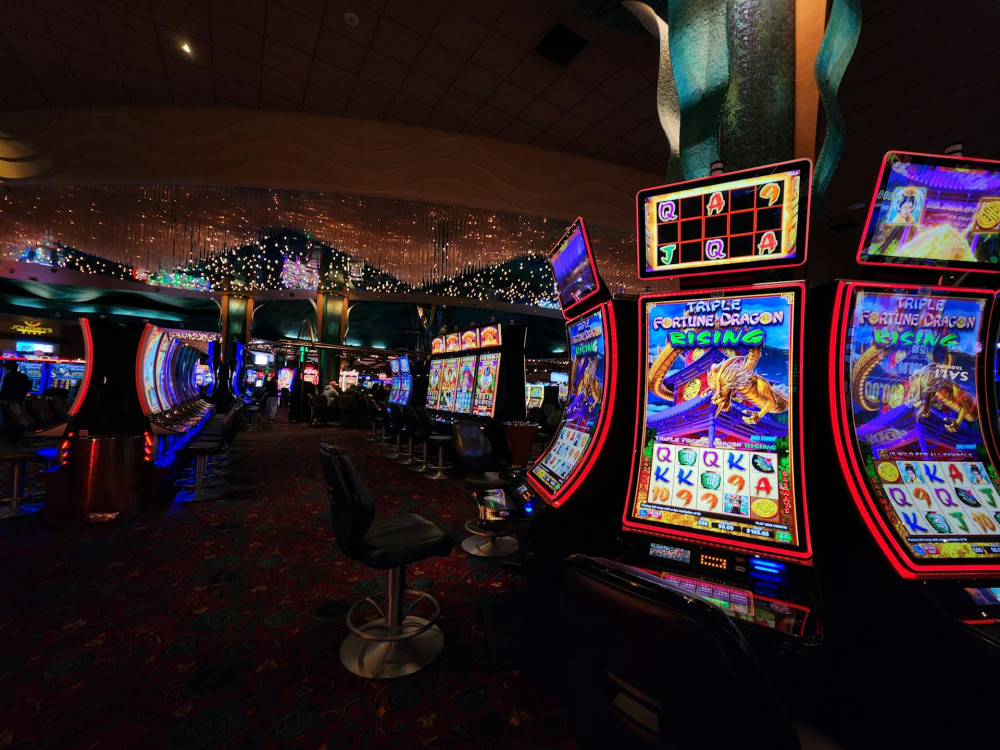
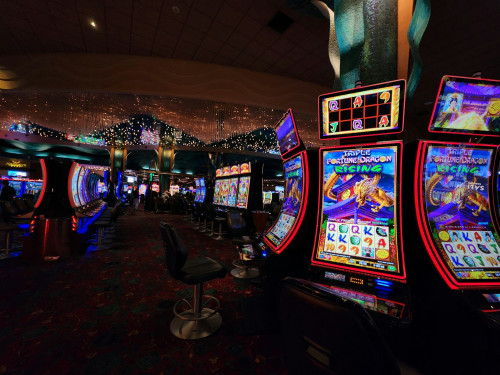
A game filled with cowboys, gold mines, and desert landscapes taps into the mythology of the American frontier—freedom, risk, and adventure. Another game featuring Asian dragons and lotus flowers draws on ideas of wisdom, balance, and fortune. In this way, casino games become mirrors of the cultures they borrow from—and of the values players associate with them.
At the same time, these symbols reveal how globalization has turned culture into a shared visual language. A U.S.-based game might use Norse gods, while a European developer might design a slot inspired by Route 66. The result is a kind of cultural hybrid, where symbols lose their original meaning but gain new power as elements of entertainment.
Color, Sound, and Emotion
Symbols in casino games are more than just images. They’re accompanied by colors, animations, and sounds that together create an emotional experience. Gold and red tones suggest energy and wealth, while blues and greens evoke calm and balance. When the reels spin and the symbols align, short sound effects heighten the sense of excitement and reward.
These design choices are rooted in psychology. They’re meant to hold the player’s attention and create a rhythm that feels both safe and thrilling. The symbols become part of a sensory narrative, where the game speaks directly to our instincts.
Myths, Dreams, and Modern Magic
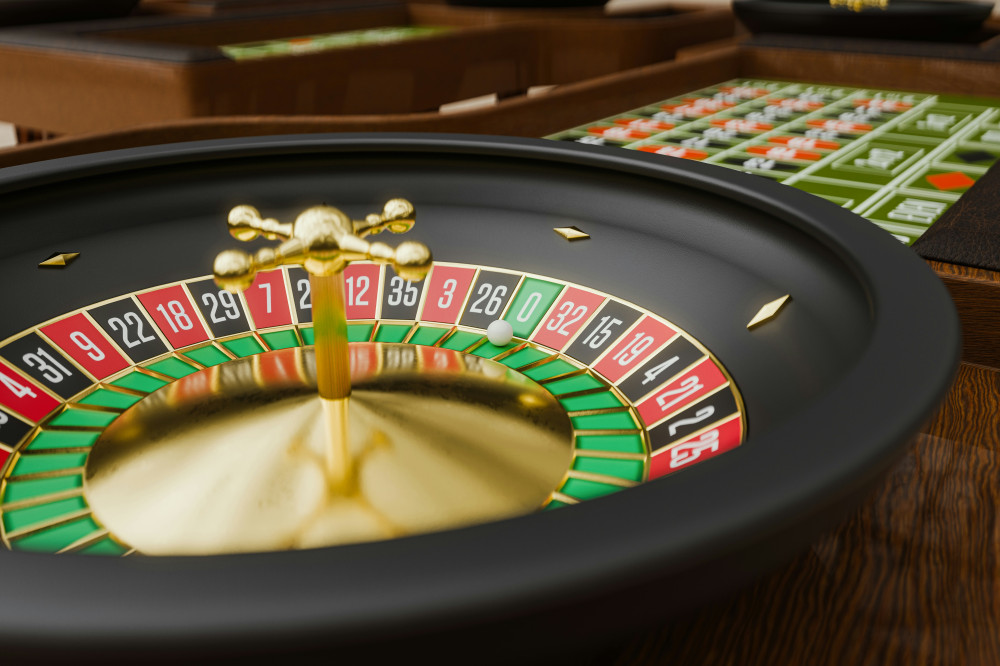
Many casino games are built around mythological or fantastical themes—and that’s no coincidence. Myths deal with fate, luck, and the struggle against chance, just like gambling does. When a player hits “spin,” it’s a modern version of casting dice before the gods. Symbols like Thor’s hammer, the Egyptian ankh, or a lucky horseshoe act as digital talismans, promising protection and prosperity.
In this sense, casino games function as a form of modern myth-making. They offer a feeling of control in a world ruled by randomness. The symbols give meaning to chance—and turn gaming into something more than a pursuit of luck.
Læs også:
What the Symbols Say About Us
When we look at the symbols in casino games, we’re also looking at a reflection of our time. We crave experiences that blend nostalgia with technology, tradition with innovation. We want entertainment that feels meaningful, even when it’s built on chance. The symbols become a language that connects the game to our cultural dreams—of wealth, adventure, and mastery over fate.
To understand the symbols in casino games is to understand why we play. They speak to our desire for meaning, excitement, and identity—wrapped in a digital universe where anything can happen with a single click.
Læs også: