The Rhythm of the Card Game: How the Rules Shape Pace and Excitement


The Rhythm of the Card Game: How the Rules Shape Pace and Excitement
When you sit down at a card table—whether it’s for poker night, a round of blackjack at a casino, or a family game of Uno—something almost musical begins to happen. The game develops a rhythm, a pulse that guides the flow of play. This rhythm isn’t random, nor is it entirely controlled by the players. It’s built into the rules themselves, which act like an invisible metronome, setting the tempo for tension, laughter, and release. Card games aren’t just about luck or strategy—they’re about rhythm, and that rhythm is written into the structure of the game.
The Rules as the Game’s Pulse
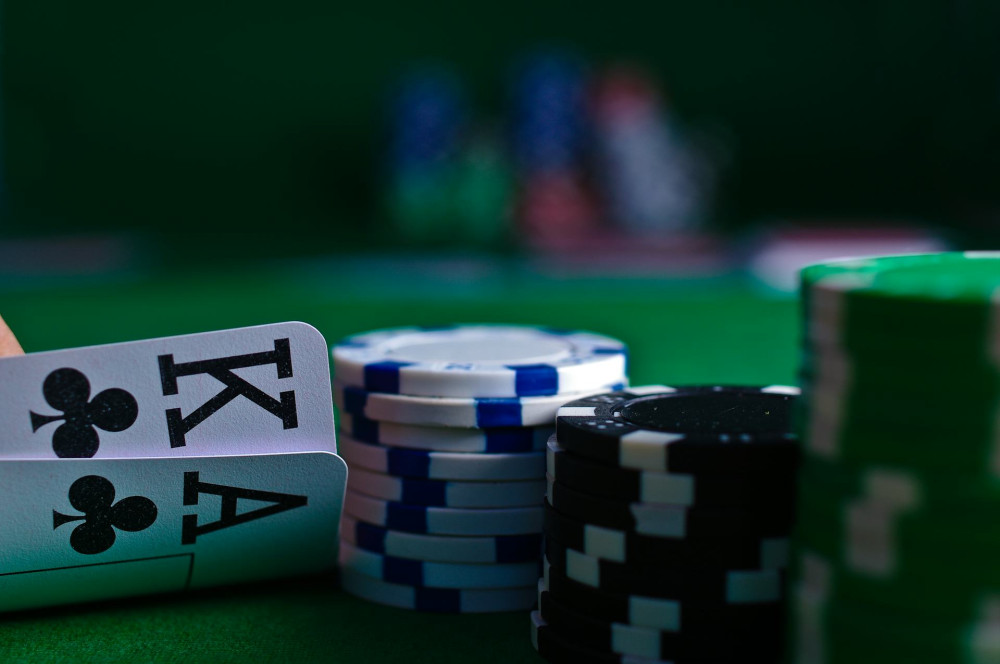
Every card game has its own heartbeat. In blackjack, the pace is brisk: cards are dealt, decisions are made in seconds, and the outcome is revealed almost immediately. Poker, on the other hand, moves at a slower, more deliberate tempo. Each hand unfolds over several rounds, with players reading each other, bluffing, and calculating odds.
The rules dictate how long players can think, how many cards they draw, and when they can act. These boundaries create the rhythm. A game with frequent decision points and limited randomness feels intense and strategic, while one with quick turns and simple choices flows more freely, almost like a catchy tune.
How Tempo Shapes the Experience
The tempo of a card game affects more than just how long it lasts—it shapes the emotional experience. Fast-paced games like “War” or “Speed” spark laughter, spontaneity, and lighthearted competition. Slower games like poker or bridge invite focus, patience, and psychological depth.
Many players enjoy switching between tempos. After a tense poker session, a quick game of Uno or Crazy Eights can feel refreshing—a way to reset the rhythm. It’s like switching from a suspenseful drama to a breezy comedy: both entertain, but in very different ways.
Læs også:


Building Tension: From Calm to Climax
Most card games follow a kind of dramatic arc. At the start, there’s calm and setup: cards are dealt, and players assess their options. Midway through, the pace quickens as strategies unfold. By the end, everything builds to a decisive moment—a final play, a bold bluff, a revealing showdown.
This structure isn’t accidental. It’s embedded in the rules. In poker, for example, blinds and betting rounds steadily raise the stakes. In bridge, the bidding and trick-taking phases gradually expose who holds the advantage. The rules act like a script, ensuring that tension rises in sync with the game’s progression.
When the Rhythm Breaks
A good card game balances predictability and surprise. If the rhythm becomes too repetitive, the energy fades. That’s why many games include twists—wild cards, bonus rounds, or special actions that shake things up. These moments act like rhythmic breaks, jolting players’ attention and creating new dynamics.
Modern game designers, both in physical and digital formats, often experiment with this balance. They play with tempo and variation to keep players engaged. A sudden rule change or unexpected card can feel like a musical crescendo—surprising, but deeply satisfying.
The Dance Between Players and Rules
While the rules set the framework, it’s the players who bring the rhythm to life. Some play fast and impulsively; others are slow and methodical. In social games, players influence each other’s tempo—a quick player can speed things up, while a thoughtful one can slow the pace. The unique rhythm of any game emerges from this interaction.
Experienced players even use rhythm strategically. They might deliberately change their pace to unsettle opponents—taking their time with a strong hand or playing quickly to mask uncertainty. In this way, rhythm becomes not just a structural element, but a tactical tool.
Card Games as Rhythmic Experiences
Seen through the lens of rhythm, card games reveal themselves as more than contests of chance or skill. The rules don’t just ensure fairness—they create an experience, a balance between calm and intensity, control and unpredictability. That rhythm is what keeps us coming back to the table.
Whether you’re playing casually with friends or competing in a high-stakes tournament, it’s worth paying attention to the tempo. Within that rhythm lies the soul of the game—and the secret to the excitement that only a great card game can deliver.
Læs også: