When Culture Meets the Odds: How Local Traditions Shape the Bookmaker’s Focus

When Culture Meets the Odds: How Local Traditions Shape the Bookmaker’s Focus
When people think of betting, they often picture a global marketplace driven by data, algorithms, and real-time analytics. But behind the numbers lies a cultural layer that deeply influences what bookmakers choose to highlight. Local traditions, national sports, and seasonal events play a much larger role than most realize. For bookmakers, success isn’t just about predicting outcomes—it’s about understanding what people care about.
The Cultural Imprint on Betting Markets
In the United States, football reigns supreme. The NFL dominates television ratings, social media chatter, and weekend schedules. Naturally, it also dominates the betting landscape. But shift your gaze to other regions, and the picture changes: soccer in Europe, cricket in India, or rugby in New Zealand. Each market reflects its own cultural heartbeat.
Bookmakers adapt to these differences. They know that bettors seek familiarity and relevance. That’s why an American sportsbook will build entire campaigns around the Super Bowl or March Madness, while a British bookmaker might focus on horse racing or Premier League soccer. The goal is to meet fans where their passion lives.
Traditions That Create Betting Seasons
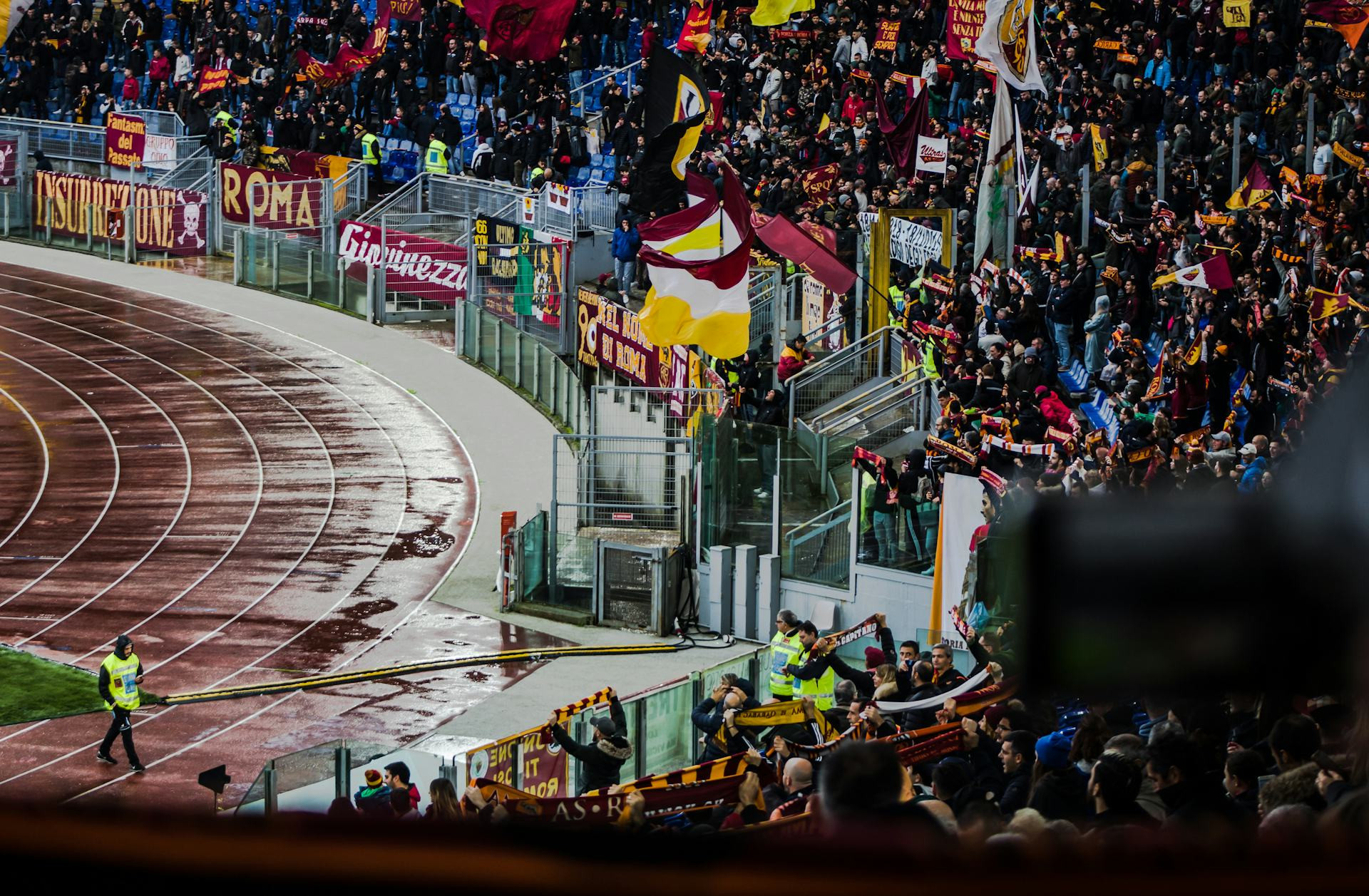
Just as holidays and festivals shape the rhythm of the year, the betting world has its own cultural calendar. In the U.S., the Super Bowl is practically a national holiday—one of the biggest betting days of the year. March Madness, the Kentucky Derby, and the World Series each bring their own surge of excitement and wagering activity.
Bookmakers prepare months in advance, crafting special odds, promotions, and prop bets that tap into the cultural energy surrounding these events. It’s not random—it’s the result of years of understanding how tradition and habit influence betting behavior.
Even smaller sports can experience a boost when tied to local pride or seasonal events. College football, for instance, thrives on regional loyalty. When a state university makes a championship run, local sportsbooks see a spike in bets—not just for profit, but as a show of community support.
Læs også:



Local Heroes and National Pride
Culture is also about identity. When a hometown team makes a playoff run or a national star breaks through, it sparks a wave of pride and engagement. Bookmakers pay close attention to these moments because they often lead to increased activity.
Think of the surge in bets when an underdog team like the Cincinnati Bengals reached the Super Bowl, or when an American athlete dominates the Olympics. Fans aren’t just betting to win—they’re participating in a shared story, expressing loyalty and belonging through their wagers.
For bookmakers, this creates a delicate balance. They must offer competitive odds while accounting for emotional betting patterns. When a flood of patriotic wagers comes in on the same outcome, odds shift quickly—a real-time reflection of how culture and economics intersect.
From Celebration to Responsibility
Major sporting events are more than competitions—they’re cultural celebrations that unite communities. Bookmakers see them as opportunities to engage fans, but also as moments when responsibility matters most.
When excitement peaks and betting becomes part of the festivities, the line between entertainment and excess can blur. That’s why many U.S. operators now emphasize responsible gaming, especially around major events like the Super Bowl or college championships. Understanding culture means not only tapping into enthusiasm but also respecting its boundaries.
A Global Industry with Local Roots
Even though betting is now a global industry, its success depends on local understanding. A bookmaker hoping to earn trust must know the culture, the sports, and the ways people celebrate.
It’s in the meeting point between the global and the local that the bookmaker’s focus takes shape. Data and technology can predict a lot—but culture explains why we bet when we do, and what drives our engagement.
When culture meets the odds, the result is more than a game. It’s a reflection of society itself—a blend of tradition, emotion, and community, where betting becomes part of the story of who we are.
Læs også: