Behind the Scenes of Slot Machines – How Symbols, Reels, and Paylines Work

Behind the Scenes of Slot Machines – How Symbols, Reels, and Paylines Work
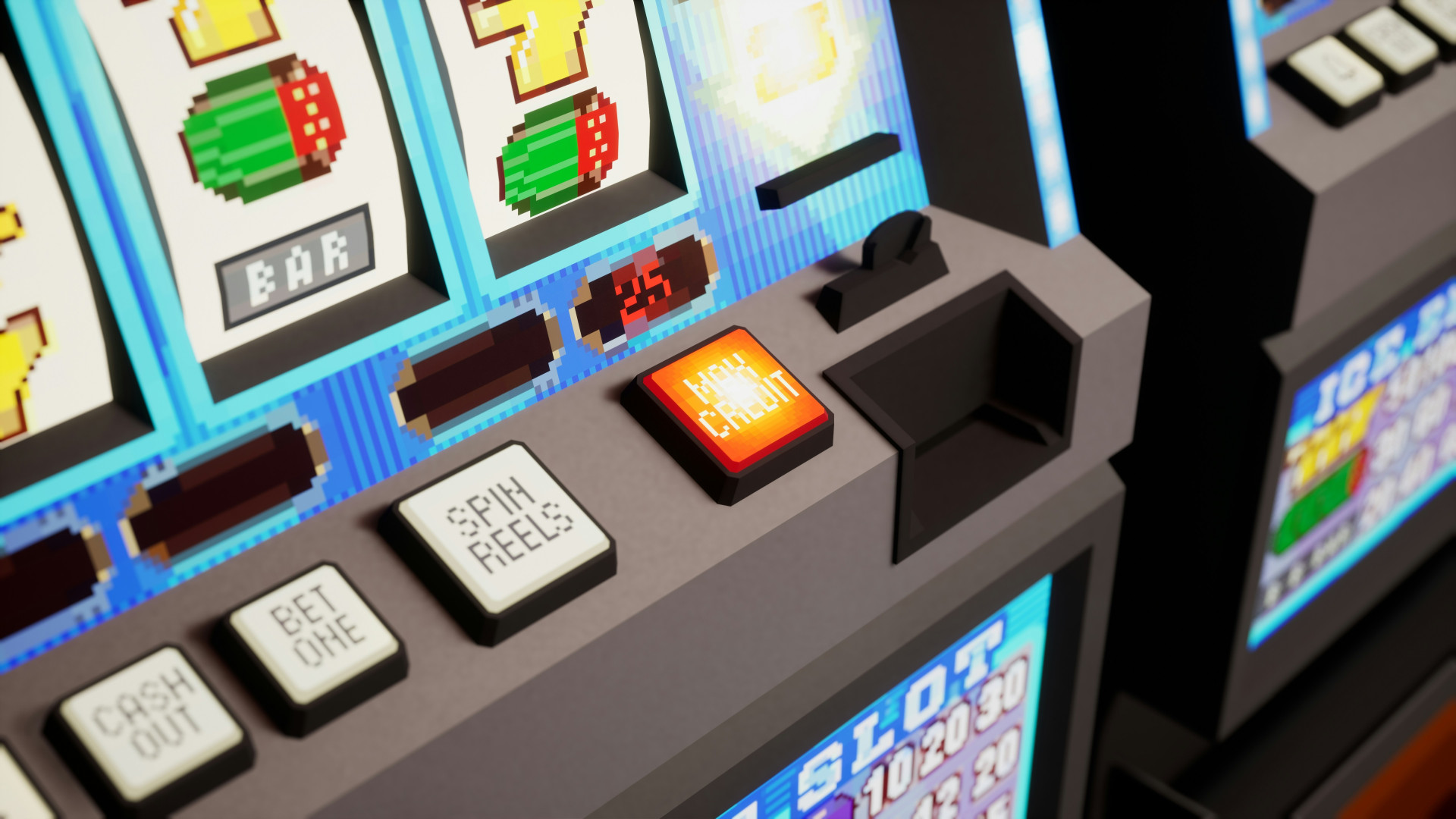
When you hit the “spin” button on a slot machine, it feels like a simple moment: the reels whirl, the symbols line up, and you wait to see if luck is on your side. But behind the flashing lights and catchy sounds lies a complex system of math, technology, and design that makes every spin possible. In this article, we’ll take a closer look at how symbols, reels, and paylines work—and why they’re the foundation of every slot game.
The Reels – The Engine of the Game
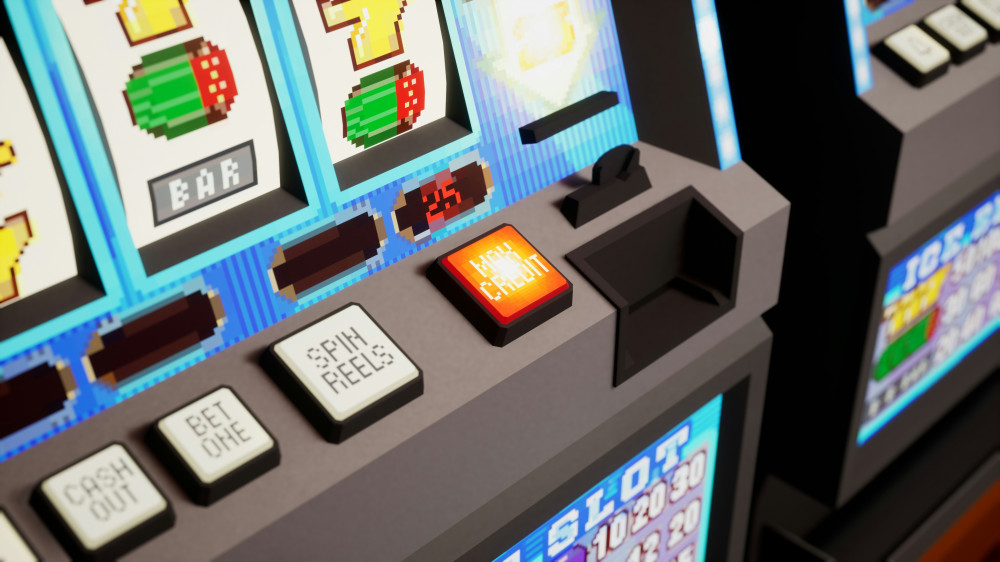
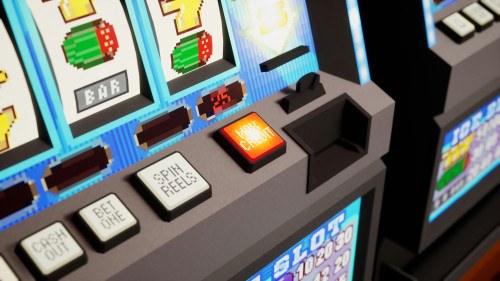
Classic slot machines had three mechanical reels that spun when you pulled a lever. Today, most slots are digital, but the principle remains the same: the reels display a series of symbols, and their combination determines the outcome.
Modern slots can have anywhere from three to seven reels, each containing dozens of symbols. Behind the scenes, everything is controlled by a Random Number Generator (RNG)—a computer algorithm that ensures every spin is completely random. This means there are no “hot” or “cold” machines, and each spin is independent of the last.
Læs også:

The Symbols – More Than Just Pictures
The symbols on the reels are carefully chosen to fit the game’s theme and create excitement. Traditional fruit machines feature cherries, bells, and lucky sevens, while modern online slots might include movie characters, mythical creatures, or adventure icons.
There are several types of symbols, each serving a specific purpose:
- Standard symbols – the regular icons that form the base of most winning combinations.
- Wild symbols – act as jokers, substituting for other symbols to complete a winning line.
- Scatter symbols – often trigger bonus rounds or free spins, regardless of where they land on the reels.
- Bonus symbols – unlock special mini-games or multipliers that can boost your winnings.
These different symbol types add variety and depth to the gameplay, keeping players engaged and entertained.
The Paylines – Where the Wins Happen
A payline is the line on which matching symbols must land to create a win. Early slot machines had just one payline—the middle row. Today’s slots can feature hundreds or even thousands of ways to win.
There are two main systems:
- Fixed paylines, where you play the same number of lines on every spin.
- “Ways to win” systems, where wins are formed by matching symbols on adjacent reels, regardless of their exact position.
The more paylines or ways to win a slot offers, the more potential combinations—and the more dynamic the gameplay. However, more paylines often mean a higher bet per spin.
The Math Behind It – RTP and Volatility
Every slot machine is built around two key concepts: RTP (Return to Player) and volatility.
- RTP represents the percentage of all wagered money that a slot pays back to players over time. For example, a slot with a 96% RTP theoretically returns $96 for every $100 wagered—but not necessarily to a single player.
- Volatility measures how often and how big the wins tend to be. Low-volatility games pay out smaller prizes more frequently, while high-volatility games offer larger but rarer wins.
These factors shape the overall feel of a slot—whether it’s steady and relaxed or high-risk and thrilling.
Bonus Rounds and Special Features
To keep things exciting, many slots include bonus rounds, multipliers, and free spins. These features are usually triggered by scatter or bonus symbols and give players extra chances to win.
Bonus games can range from simple “pick a prize” features to elaborate mini-games with unique rules and graphics. They break up the rhythm of regular spins and often provide the biggest potential payouts.
Design and Psychology – Why We Keep Spinning
Beyond the math, design and psychology play a huge role in the slot experience. Colors, animations, and sound effects are carefully crafted to create anticipation and reward. When the reels stop just short of a win or a bonus feature almost triggers, it creates a “near-miss” effect that keeps players engaged.
This is part of what makes slots so captivating—and why responsible gaming is so important. Understanding how the machines work helps players stay in control and enjoy the game for what it is: entertainment.
A Game of Chance – With Structure
While slot machines may seem unpredictable, they’re built on precise systems. The reels, symbols, and paylines work together in a framework governed by randomness—but within carefully programmed rules.
Knowing how these elements interact won’t make you more likely to win, but it can give you a deeper appreciation for the technology and design behind every spin. And next time you press “spin,” you’ll know exactly what’s happening behind the scenes.
Læs også: