When Casino Meets Culture: The Game’s Imprint on Film, Literature, and Pop Culture


When Casino Meets Culture: The Game’s Imprint on Film, Literature, and Pop Culture
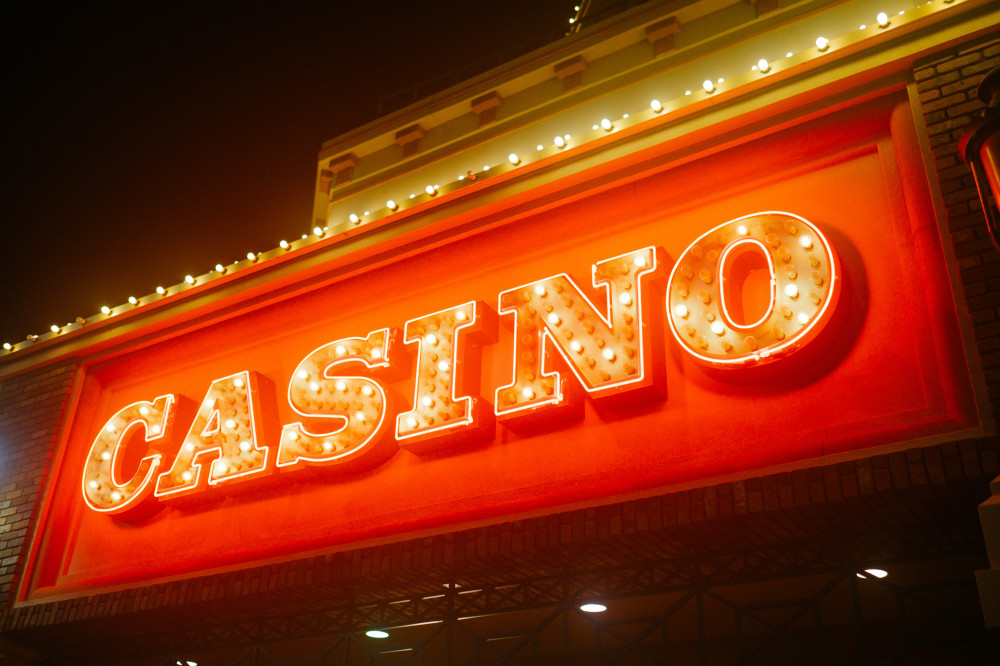
The casino has always been more than a place where money changes hands. It’s a symbol of dreams, risk, fate, and human psychology—elements that have inspired filmmakers, writers, and artists for generations. From the neon glow of Las Vegas to the smoky backrooms of Atlantic City, the casino has left a lasting mark on American culture. But what is it about the game that fascinates us so deeply, and how has it shaped the stories we tell?
The Casino as a Stage for Drama and Desire
In film, the casino often serves as a microcosm of life itself—a place where fortunes can shift in an instant and where characters reveal their true selves under pressure. It’s no coincidence that some of Hollywood’s most iconic scenes unfold at the gaming table. Movies like Casino and Ocean’s Eleven have turned the casino floor into a stage for ambition, deception, and redemption.
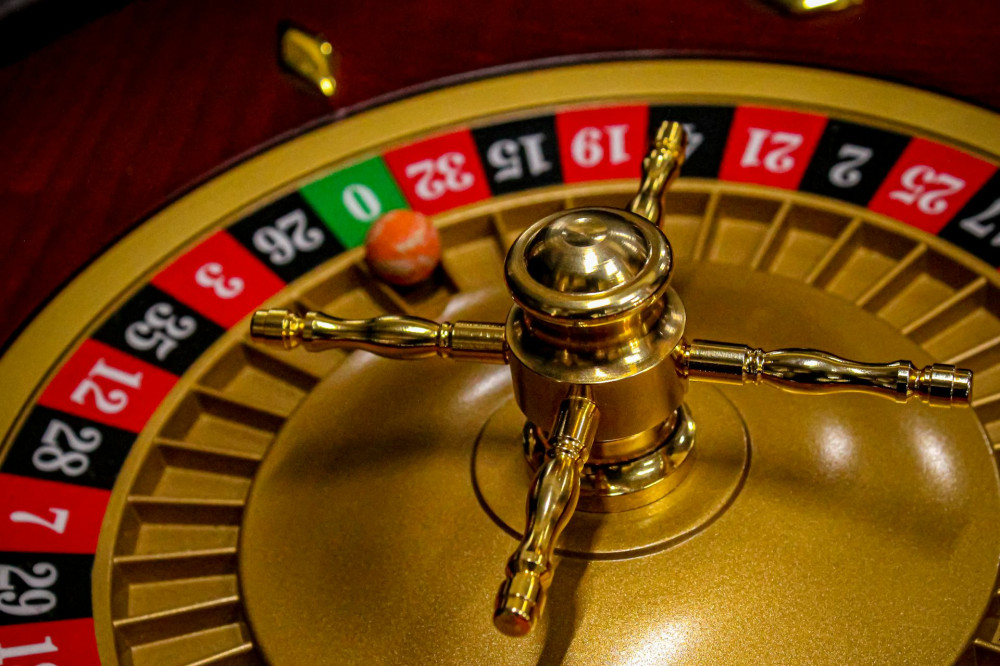
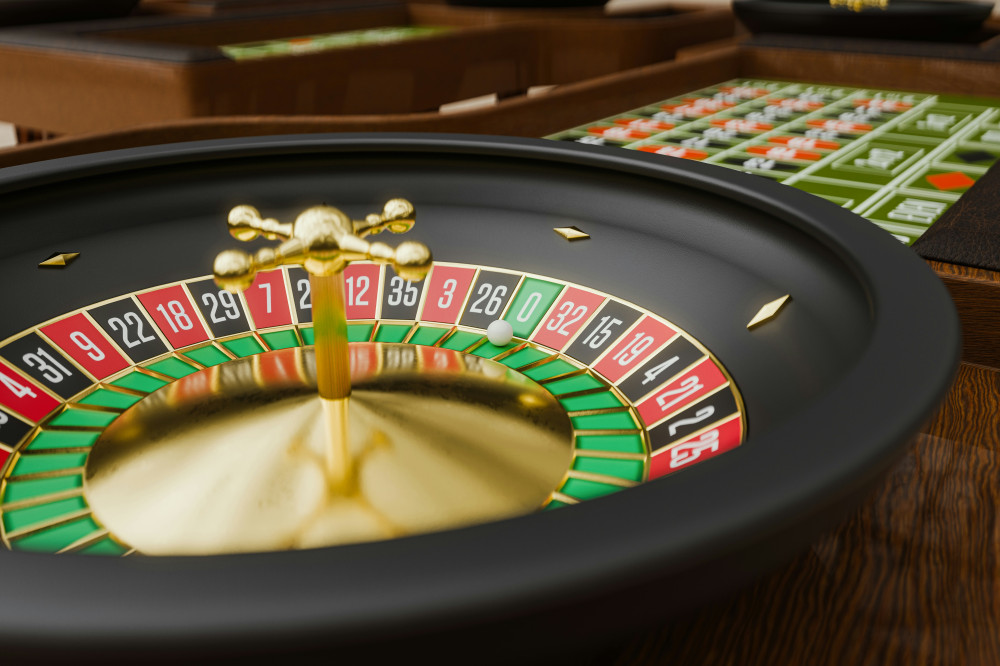
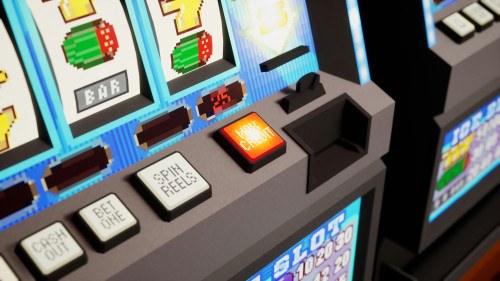
The allure lies not only in the game but in the atmosphere: the hum of slot machines, the shuffle of cards, the tension in the air as the roulette wheel spins. The casino’s blend of glamour and danger makes it a perfect setting for stories about risk and reward, control and chaos. It’s a world where every decision feels cinematic.
Literature’s Obsession with the Psychology of Play
Writers have long been drawn to the casino as a metaphor for human nature. The act of gambling—balancing on the edge between chance and choice—mirrors the unpredictability of life itself. From Dostoevsky’s The Gambler to modern American fiction, the casino becomes a space where characters confront their desires, addictions, and illusions of control.
In American literature, the casino often reflects the nation’s own contradictions: the pursuit of success, the fear of failure, and the belief that luck can rewrite destiny. Contemporary authors use the casino not just as a backdrop but as a psychological landscape—a place where the thrill of possibility collides with the reality of loss.
The Glittering Surface of Pop Culture
In pop culture, the casino has become shorthand for glamour, freedom, and risk. Music videos, fashion campaigns, and television shows borrow its aesthetic—the flashing lights, the tuxedos, the high-stakes energy—to evoke a sense of luxury and excitement. Las Vegas itself has become a cultural icon, representing both the American dream and its excesses.
Yet beneath the sparkle lies a fascination with danger. The casino embodies the tension between control and surrender, between the rational and the impulsive. It’s this duality that keeps the image of the casino alive in our collective imagination: a place where temptation and possibility coexist.
Læs også:

From Screen to Reality—and Back Again
The cultural influence of the casino doesn’t stop at fiction. Real-world casinos often borrow from Hollywood’s portrayal of them, designing spaces that feel cinematic—complete with dramatic lighting, themed interiors, and a sense of narrative suspense. At the same time, movies and TV shows continue to shape how we perceive gambling, reinforcing the idea that the casino is a world apart, governed by its own rules.
As online casinos and digital gaming platforms rise in popularity, this cultural exchange has moved into the virtual realm. The thrill of the casino is now accessible from anywhere, yet the imagery and storytelling remain rooted in the same traditions of risk, glamour, and human emotion.
The Cultural Legacy of the Game
The casino has become a mirror reflecting our deepest hopes and fears. It reminds us that gambling is not just about money—it’s about the human desire to test fate, to chase luck, and to find meaning in uncertainty. Whether on screen, on the page, or in the digital world, the casino continues to captivate because it speaks to something timeless: our willingness to take a chance.
When casino meets culture, we see more than a game. We see ourselves—our ambitions, our vulnerabilities, and our endless fascination with the unpredictable nature of life itself.
Læs også: