Castles in Transition: Trends and Themes Shaping the Future

Castles in Transition: Trends and Themes Shaping the Future
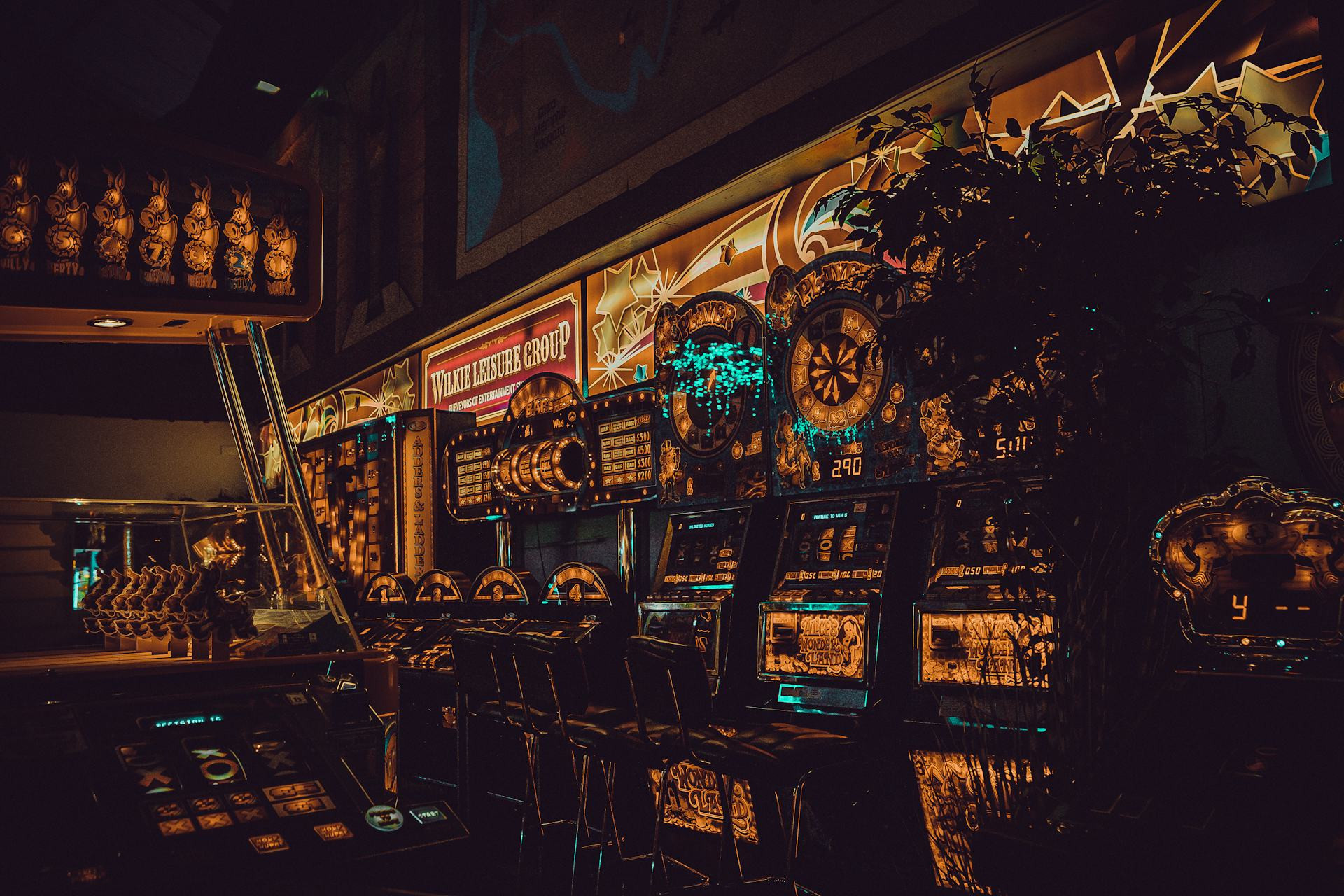
Slot machines – or simply “slots,” as they’re known in the U.S. – have come a long way from the clinking, lever-pulled machines that once lined casino floors. What began as a mechanical game of chance has evolved into a digital entertainment experience that blends storytelling, design, and technology. Today, the slot industry is in the midst of another transformation, driven by new technologies, changing player expectations, and a growing emphasis on responsible gaming.
From Mechanical Marvels to Digital Worlds
The earliest slot machines were simple devices: three spinning reels, a few symbols, and the hope of a lucky combination. Over time, these machines became more sophisticated, incorporating video screens, sound effects, and themed designs. Now, with the rise of online and mobile gaming, slots have become immersive digital worlds that rival video games in creativity and production value.
Modern players expect more than just a spin and a payout. They want an experience – something that entertains, surprises, and tells a story. Developers are responding with games inspired by pop culture, mythology, and even cinematic universes, where each spin feels like a new chapter in an unfolding adventure.
Themes That Capture Imagination
In today’s market, a slot’s theme is more than decoration – it’s the heart of the experience. Themes evoke emotion, nostalgia, and curiosity. Some games draw on classic imagery like fruit symbols and lucky sevens, appealing to players who enjoy a retro vibe. Others explore futuristic landscapes, ancient civilizations, or fantasy worlds filled with heroes and quests.
Story-driven slots are becoming especially popular. These games use narrative progression and interactive bonus rounds to engage players on a deeper level. Instead of simply watching reels spin, players feel like participants in a story – a shift that’s redefining what a slot game can be.
Læs også:


Technology as the Driving Force
Technology continues to push the boundaries of what’s possible in slot design. HTML5 has made it easier for players to enjoy games seamlessly across devices, and mobile gaming now dominates the market. Developers are also experimenting with virtual reality (VR) and augmented reality (AR), creating immersive environments where players can step inside a virtual casino or interact with game elements in new ways.
Artificial intelligence (AI) is another game-changer. AI can analyze player behavior, personalize experiences, and even adjust game dynamics in real time. In the future, we may see AI-driven slots that adapt to individual preferences, offering a uniquely tailored form of entertainment.
A Focus on Responsible Gaming
As the industry evolves, so does its sense of responsibility. Game developers and operators are increasingly focused on promoting safe and sustainable play. Tools that allow players to set time or spending limits, as well as algorithms that detect risky behavior, are becoming standard features. This shift reflects a broader movement toward transparency and player well-being.
In the U.S., where online gaming regulations vary by state, responsible gaming initiatives are also helping to build trust and legitimacy in the expanding digital casino market. The goal is clear: to ensure that innovation and entertainment go hand in hand with ethical practices.
The Future: Experience Above All
Looking ahead, one trend stands out – slots are evolving from simple games of chance into full-fledged entertainment experiences. The fusion of technology, storytelling, and design is blurring the lines between gaming, film, and interactive media.
For players, this means more variety, personalization, and engagement. For developers, it means new creative challenges and opportunities to innovate. The future of slots belongs to those who can balance excitement with responsibility – and who dare to imagine what lies beyond the reels.
Læs også: