From Arcade to Luxury: The Casino’s Aesthetic Transformation

From Arcade to Luxury: The Casino’s Aesthetic Transformation
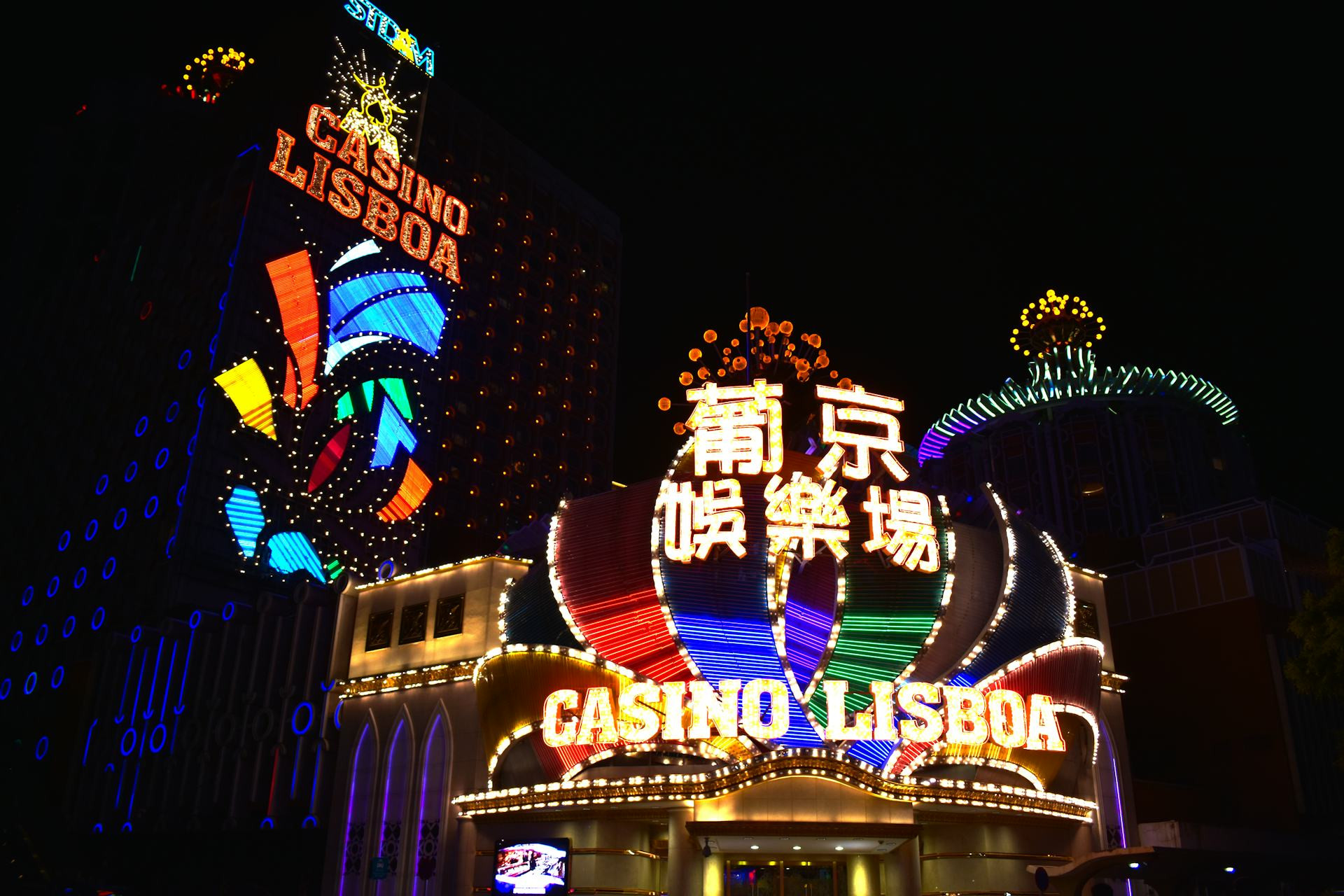
From flashing neon lights and smoky rooms to architectural landmarks and fine dining – the casino has undergone a remarkable transformation. Once defined by noise, crowds, and a kitschy charm, today’s casinos have become symbols of luxury, design, and curated experience. But how did the casino evolve from a place of quick bets to a cornerstone of modern leisure culture?
From Everyday Entertainment to Exclusive Experience
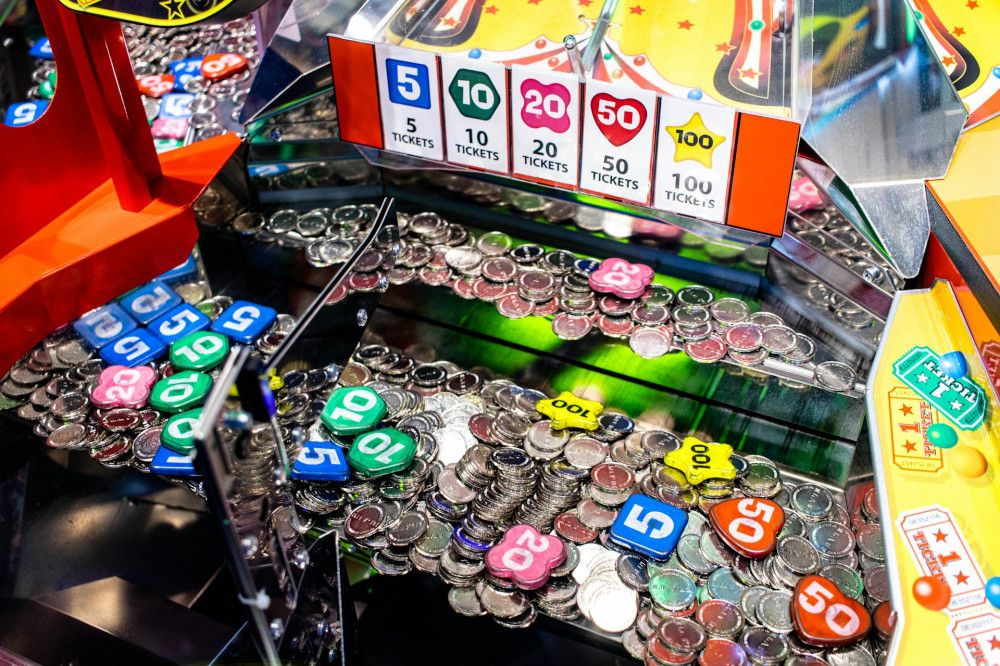
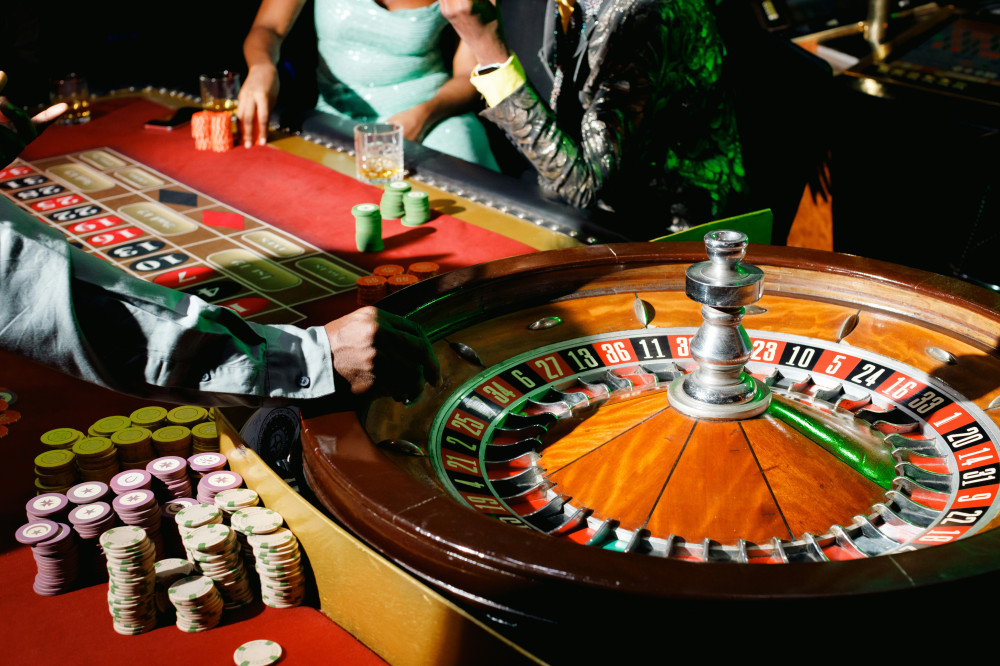
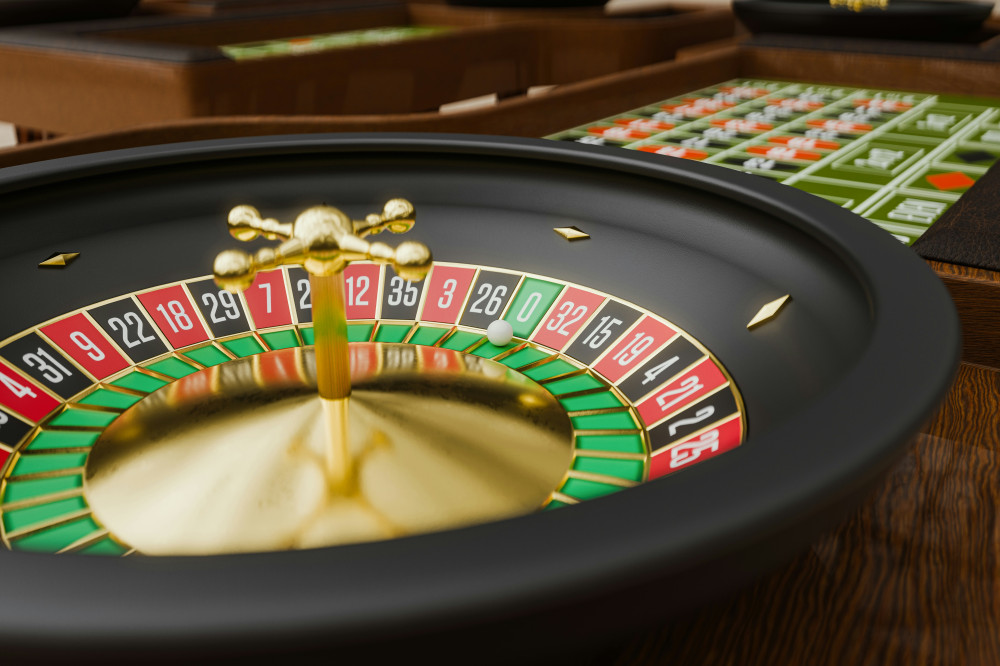
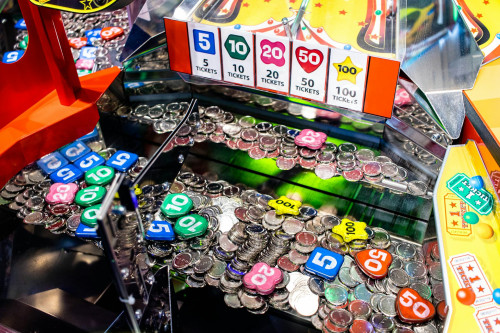
In mid-20th-century America, casinos were primarily about the games. Slot machines, card tables, and the thrill of chance were the main attractions. Interiors were designed for efficiency rather than beauty – bright lights, patterned carpets, and a constant buzz kept players engaged for hours. The goal was simple: keep the action going.
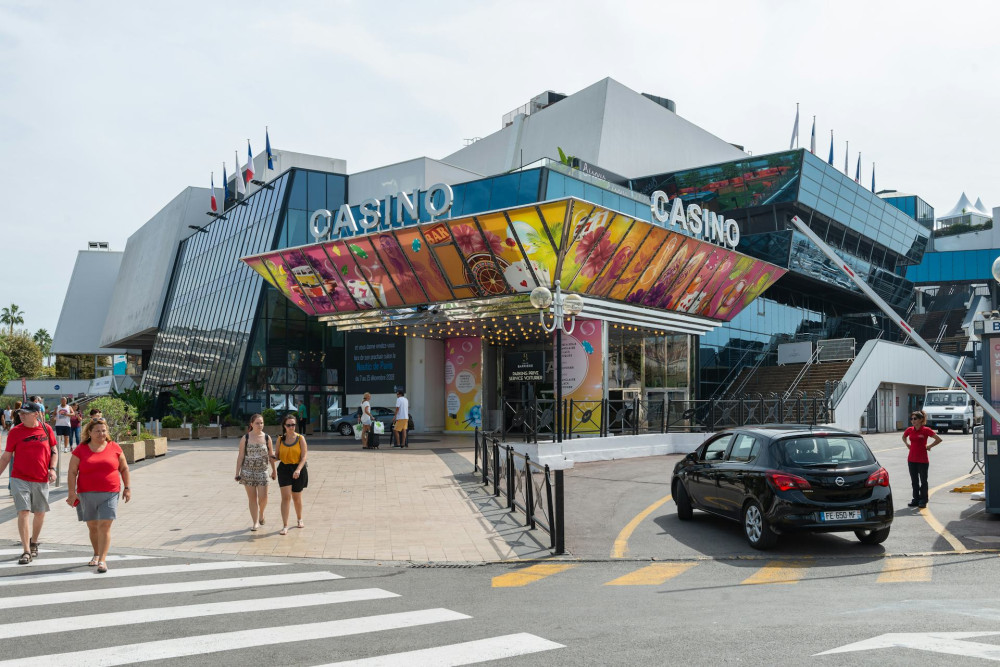
Today, the casino is more than a gaming floor. It’s a destination – a place where architecture, gastronomy, and atmosphere are as important as the games themselves. Modern casino resorts in Las Vegas, Atlantic City, and beyond market themselves as luxury escapes, offering guests a blend of entertainment, relaxation, and indulgence. Visitors come not only to play, but to experience.
Design as Strategy
This aesthetic shift is no accident. Architects and designers now play a central role in shaping the casino experience. Where casinos once hid clocks and windows to create a timeless, enclosed world, today’s designs embrace light, space, and materials that convey calm and sophistication.
A modern casino can resemble an art gallery more than a gaming hall. Marble, glass, and soft lighting replace plastic and neon. The color palettes are muted, the acoustics carefully tuned to create comfort and control. The result is an environment that appeals to a new kind of guest – one who values style as much as excitement.
Technology and New Expectations
The rise of online gaming has also influenced the evolution of physical casinos. When players can gamble from their phones in seconds, the in-person experience must offer something screens cannot: atmosphere, social connection, and sensory immersion. To meet these expectations, many casinos have invested heavily in experiential design that blends technology with aesthetics.
Interactive installations, digital art, and immersive soundscapes now enhance the gaming environment. Even slot machines have become design objects, featuring high-resolution displays, sleek lines, and intuitive interfaces. The goal is to make gaming part of a larger narrative – one that engages all the senses.
From Gambling to Holistic Experience
The casino’s transformation mirrors a broader cultural shift toward quality, authenticity, and design in everyday life. Where people once visited casinos for the thrill of risk, they now go for the experience itself. A casino visit is no longer spontaneous; it’s planned, often as part of a weekend getaway or luxury vacation.
This evolution has also reshaped the casino’s image. Once associated with excess and risk-taking, it now represents refinement and taste. The modern casino is a space where gaming, art, and architecture intersect – where aesthetics have become part of the game.
Læs også:

A New Era of Casino Culture
The aesthetic transformation of the casino is more than a visual upgrade. It reflects a cultural movement that values atmosphere over opulence and experience over outcome. Today’s casino is not just a place to play, but a lifestyle statement – one that combines excitement with elegance, and chance with design.
Læs også: