From Paper to App: How Technology Is Transforming the Lottery Experience

From Paper to App: How Technology Is Transforming the Lottery Experience
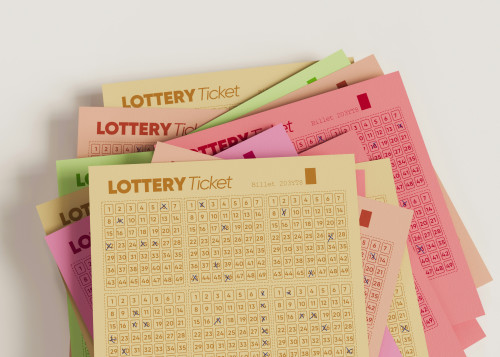
For generations, buying a lottery ticket was a simple ritual — a quick stop at the corner store, a paper slip in hand, and a moment of hope tucked into a wallet. But as technology continues to reshape how Americans shop, bank, and entertain themselves, the lottery has also gone digital. Today, millions of players are turning to mobile apps and online platforms, changing not only how they play but also how they experience the excitement, community, and responsibility that come with the game.
From the Counter to the Smartphone
Not long ago, playing the lottery meant standing in line at a gas station or convenience store. Now, the same experience is available with just a few taps on a phone. Digital platforms allow players to buy tickets, check results, and even receive winnings directly to their accounts — no paper slips required.
For many, this shift means greater convenience and accessibility. Apps can send reminders before drawings, store favorite numbers, and make it easier to participate in multiple games. For state lotteries, digital tools have opened the door to new game formats, faster drawings, and personalized promotions that keep players engaged.
A More Personalized Experience
Technology has made it possible to tailor the lottery experience to each player. Through apps, users can track their play history, view statistics, and receive notifications about jackpots or special events. Some platforms even include mini-games or trivia challenges to keep the fun going between drawings.
This personalization gives players a sense of control and connection. Where the old paper ticket was anonymous and identical for everyone, the digital version can reflect individual preferences — from favorite numbers to preferred game types.
Læs også:


Building Digital Communities
While the lottery is often seen as a solitary pursuit, technology has introduced new ways to share the experience. Online, players can form groups, split tickets with friends or coworkers, and celebrate wins together in real time. Social features make it easy to connect, compare results, and enjoy the thrill collectively — even from different locations.
In many ways, the digital community has replaced the casual chat at the store counter or office break room. Yet the sense of belonging remains. For many players, the lottery is no longer just about winning — it’s about sharing the anticipation and excitement with others.
Promoting Responsible Play
With greater accessibility comes greater responsibility. When the game is always just a tap away, it’s crucial that technology supports healthy play habits. Many lottery apps now include built-in tools that let users set spending or time limits, track their activity, and access help if gambling starts to become a concern.
This digital approach to responsible gaming helps protect players while strengthening trust in lottery organizations. By combining convenience with accountability, technology ensures that the fun stays safe and sustainable.
The Future: Interactive and Transparent
The digital transformation of the lottery is still unfolding. In the coming years, artificial intelligence could offer personalized game recommendations, while blockchain technology may bring new levels of transparency to drawings and payouts. Augmented reality and gamified features could make the experience more immersive, turning a simple ticket purchase into an interactive event.
Yet even as innovation accelerates, the heart of the lottery remains unchanged: the dream of winning and the joy of participating. Technology may change the format, but it doesn’t change the feeling.
From Paper to Pixels — A New Tradition
The move from paper tickets to mobile apps doesn’t mark the end of the lottery’s story — it marks a new beginning. Where players once stood in line to buy a ticket, they now tap a screen. Where they once tucked a slip into a wallet, they now receive a notification. But the excitement, hope, and sense of community endure — simply reimagined for the digital age.
Læs også: