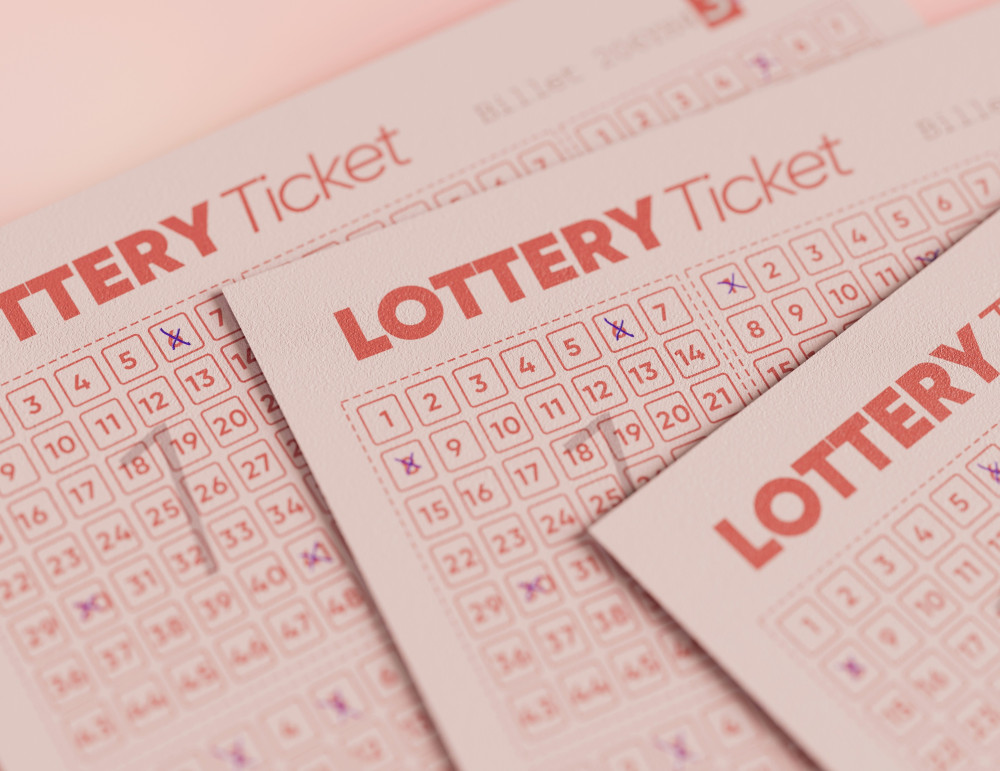
The Lottery as a Mirror of Society’s Hopes and Dreams

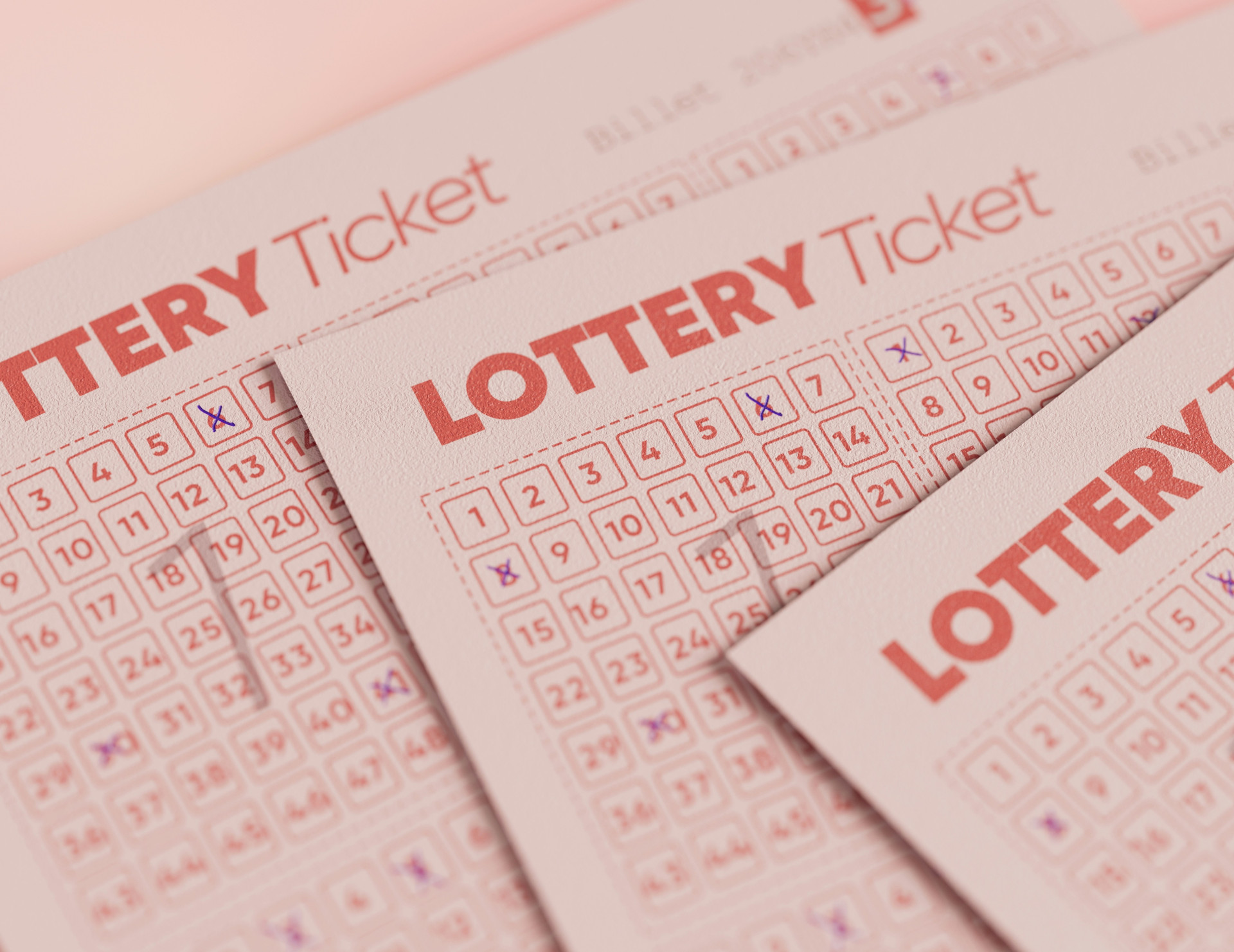
The Lottery as a Mirror of Society’s Hopes and Dreams
Every week, millions of Americans buy lottery tickets, scratch cards, or join online drawings with the hope of hitting the jackpot. For most, the dream ends when the numbers are announced—but the fascination with the lottery goes far beyond the game itself. The lottery is a cultural phenomenon, a reflection of our time, and an expression of the hopes, dreams, and desires that shape American society.
The Dream of Sudden Fortune
The lottery rests on a simple idea: that anyone—regardless of background—can become rich overnight. It’s a modern version of the classic American dream, where luck, not lineage, determines success. In a country that celebrates hard work and self-made success, the lottery offers a rare sense of equality. Everyone has the same chance, and that’s what makes it so captivating.
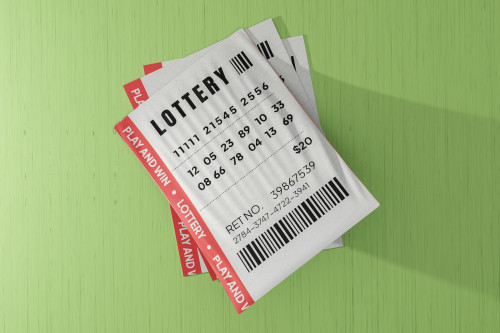
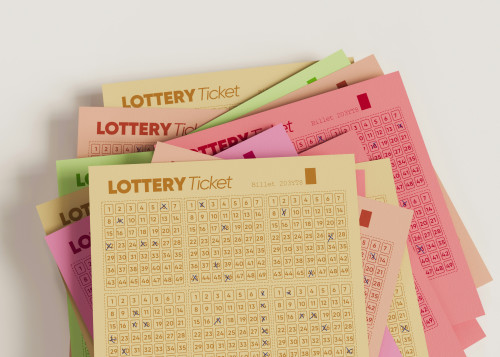
For many, it’s not just about the money. A lottery ticket represents a moment of possibility—a thought that life could take a new turn. It’s a small, tangible piece of hope that fits in a wallet or purse, adding a spark of excitement to everyday life.
From Colonial Raffles to National Pastime
The history of the lottery in the United States stretches back to the colonial era. Early lotteries helped fund public projects such as roads, schools, and even universities like Harvard and Yale. Over time, lotteries evolved from local fundraisers into state-run institutions, often used to support education and community programs.
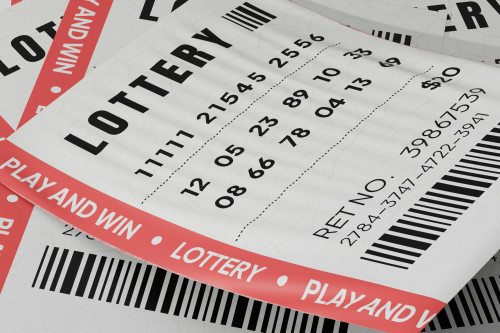
Today, the lottery is woven into the fabric of American life. Drawings are broadcast on television, tickets are sold in every convenience store, and massive jackpots make national headlines. For many families, buying a ticket for a big Powerball or Mega Millions drawing is a shared ritual—a moment of collective dreaming that crosses generations and social divides.
A Reflection of the Times
How and why we play says a lot about society. During periods of economic uncertainty, lottery sales tend to rise, reflecting a collective yearning for change when the future feels unstable. In more prosperous times, interest often wanes, suggesting that the dream of sudden wealth becomes less urgent when people feel secure.
The digital age has also transformed the lottery. Mobile apps and online platforms make it easier than ever to play, but they also make the experience more solitary. What was once a communal event—watching the drawing together—has become a private moment of hope, often shared only with a screen.
Læs også:
Hope, Responsibility, and Ethics
While the lottery may seem harmless, it raises important questions about responsibility. For some, the thrill of the game can turn into a habit, and for a few, into addiction. That’s why both states and lottery operators have a duty to promote responsible play and ensure that the dream doesn’t become a burden. Public awareness campaigns and spending limits are part of this modern lottery culture.
Yet, because the lottery is rooted in hope, it remains a powerful cultural symbol. It reminds us that people have always sought ways to change their circumstances—and that the dream of luck, however improbable, is part of what makes us human.
The Lottery as a Modern Myth
In an age where so much can be planned, optimized, and predicted, the lottery represents the unpredictable. It’s a modern myth about fate’s intervention—a space where chance still matters. Perhaps that’s why we keep playing, even when we know the odds are almost impossible. In the dream of winning lies a deeper longing: the belief that life can still surprise us.
The lottery, then, is more than a game. It’s a mirror of our hopes, our fears, and our enduring faith that fortune might one day smile our way.
Læs også: