The Illusion of Control – Why We Think We Can Influence the Lottery’s Outcome

The Illusion of Control – Why We Think We Can Influence the Lottery’s Outcome
Every week, millions of Americans buy lottery tickets, dreaming of hitting the jackpot. Most people know the odds are astronomically low and that the numbers are drawn completely at random. Yet many still pick the same numbers week after week, avoid “unlucky” combinations, or play birthdays and anniversaries. Why do we believe we can influence something that is, by design, pure chance?
When the Brain Sees Patterns in Chaos
The human brain is wired to find patterns. Throughout evolution, this ability helped us survive—spotting a predator’s movement in the grass or predicting the change of seasons. But that same instinct can mislead us when we face random events.
In the lottery, we subconsciously search for connections where none exist. We might think certain numbers “feel right” or that a combination is “due” to be drawn. Psychologists call this the illusion of control—our tendency to overestimate our influence over outcomes that are actually beyond our control.
“My Numbers” and the Sense of Ownership
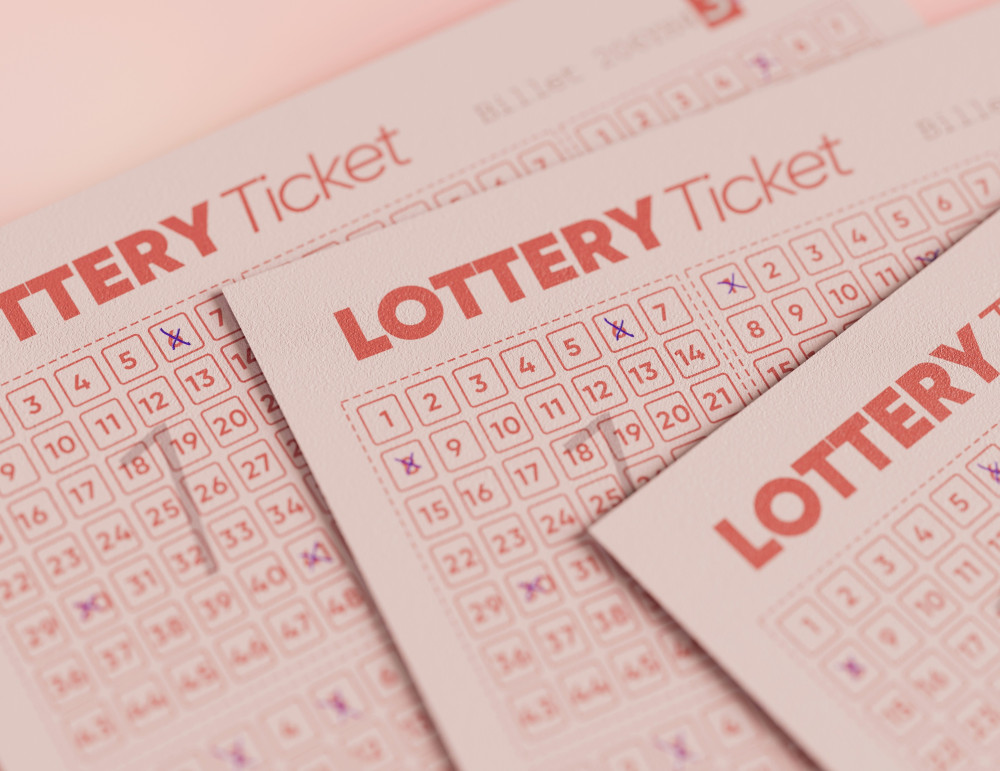
Many players prefer to choose their own numbers rather than let a computer generate them. It gives a sense of ownership and agency—as if making an active choice somehow improves the odds. Studies show that people who pick their own numbers often feel more confident about winning than those who receive random selections.
In reality, the probability is exactly the same. The numbers have no memory, and each drawing is independent of the last. Still, it feels different because we associate our own choices with responsibility and control—even when that control is an illusion.
Læs også:
Superstitions and Small Rituals
Some players develop rituals around their lottery habits: buying tickets at a specific store, using the same pen, or avoiding certain numbers. These behaviors might seem irrational, but they serve a psychological purpose. Rituals create a sense of predictability and comfort in a situation that is otherwise completely unpredictable.
The same phenomenon appears in sports, where athletes have “lucky” socks or pre-game routines. It’s not about magic—it’s about managing anxiety and reinforcing a feeling of control.
When Randomness Feels Unfair
Another aspect of the illusion of control is our discomfort with pure randomness. When we lose, we look for reasons: “I should’ve stuck with my old numbers,” or “I knew I shouldn’t have changed my picks.” We interpret the outcome as a reflection of our own actions rather than what it truly is—a random event with no pattern.
This tendency is tied to our need for control—the desire to understand and influence the world around us. When we can’t, we feel uneasy, and our minds try to restore balance by inventing explanations, even if they don’t hold up.
Why a Little Illusion Can Be Healthy
While the illusion of control can lead to irrational decisions, it isn’t always harmful. Research shows that people who believe they have control over their lives tend to be more motivated and optimistic. In many areas—like work, health, or personal goals—this belief can actually be beneficial.
The problem arises when the illusion becomes too strong, and we start believing we can control what is truly random. In the lottery, that often means spending more money than we should, convinced that “our turn” is just around the corner.
Accepting Randomness
Understanding the illusion of control isn’t about giving up hope—it’s about seeing things clearly. The lottery is designed to be random, and that’s what makes it exciting. When we accept that we can’t influence the outcome, we can enjoy playing for fun, not because we think we’ve cracked the code.
So the next time you fill out a lottery ticket, go ahead and pick your favorite numbers—but remember, they’re just as good (or bad) as any others. It’s not your choices that determine the result, but pure, unfiltered chance.
Læs også: